
Trending Luxury Home Features for the Next Decade
What today’s buyers are looking for in the luxury homes of tomorrow.
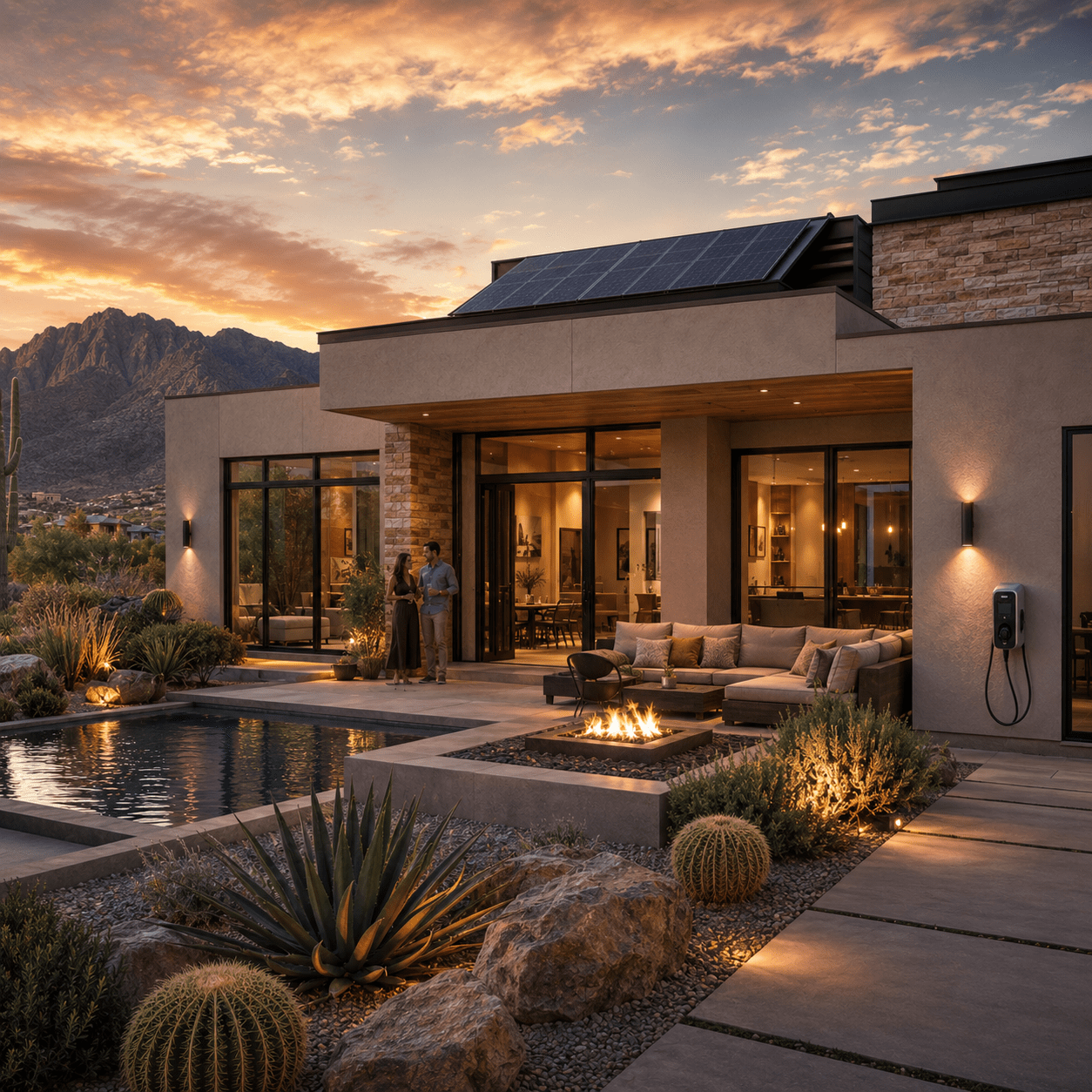
Luxury real estate has always evolved alongside the people who buy it.
Years ago, luxury meant grand entrances, oversized floorplans, and amenities designed to impress. Home theaters. Formal living rooms. Elaborate wine cellars. Bigger often meant better.
Today's luxury buyer sees things differently.
The homes commanding the strongest interest are no longer defined simply by their size or finishes. They're defined by how intelligently they support everyday life.
As we look toward the next decade, we believe luxury homes will continue moving in one clear direction: they will become more personalized, more resilient, and more adaptable.
Here are the features we expect will shape the next generation of luxury living.
AI Will Quietly Become Part of the Home
Smart homes are no longer new. What's changing is how intelligently those systems work together.
Rather than controlling individual devices, future homes will anticipate routines. Lighting will adjust based on natural daylight. Climate systems will learn household preferences. Security, entertainment, irrigation, and energy management will operate together rather than separately.
The goal isn't adding more technology. It's making technology disappear into the background.
The most luxurious homes won't feel automated. They'll simply feel effortless.
Energy Independence Will Become a Luxury Amenity
For many years, sustainability was viewed primarily through an environmental lens. Increasingly, buyers are viewing it as a lifestyle feature.
Solar integration, battery storage, backup power systems, water-efficient landscaping, and high-performance construction provide something luxury buyers value deeply: independence.
Whether responding to rising utility costs or simply wanting greater control over their property, homeowners are placing greater emphasis on long-term resilience.
Efficiency is becoming part of luxury—not separate from it.
Wellness Is Expanding Beyond the Gym
Wellness has become one of the defining priorities in luxury design.
Dedicated fitness rooms remain popular, but buyers are now thinking much more broadly:
Meditation spaces
Cold plunge pools
Infrared saunas
Recovery rooms
Yoga studios
Filtered air and water systems
Natural lighting
Quiet outdoor retreats
Luxury is increasingly measured by how a home makes you feel—not simply how it looks.
Homes are becoming places that actively support health rather than simply accommodate it.
Homes Need to Adapt as Life Changes
One of the more noticeable shifts we're seeing is a desire for flexibility.
Luxury buyers are thinking further into the future:
How will this home function in ten years?
Can it comfortably accommodate aging parents?
Will it still feel practical if children return home after college?
Could a guest suite evolve into private caregiver space if needed?
Features like wider hallways, elevators, first-floor primary suites, and accessible bathrooms are no longer viewed as compromises.
When thoughtfully designed, they simply make a home more versatile.
The best homes continue working well regardless of what life brings next.
Multi-Generational Living Is Becoming More Intentional
Families are spending more time together across generations than they did in previous decades. That has changed how many buyers evaluate a property.
Features increasingly being considered include:
Separate guest casitas
Private entrances
Dual primary suites
Flexible living areas
Independent workspaces
These features allow families to remain connected while preserving privacy and independence.
Rather than temporary accommodations, homes are increasingly designed to support multiple generations comfortably for years at a time.
Security Is Becoming More Sophisticated
Privacy has always been valuable in luxury real estate. Today, it has become even more important.
Modern buyers are looking beyond gates and alarm systems. They appreciate discreet security integrated into the home's design:
Remote monitoring
Intelligent access control
Package security
Advanced surveillance
Secure home offices
Privacy-focused architecture
The objective isn't to make a property feel fortified. It's to create peace of mind without interrupting daily life.
Electric Vehicle Infrastructure Is Becoming Expected
As electric vehicle adoption continues to grow, luxury homes are evolving alongside it.
That increasingly means:
High-capacity charging stations
Expanded electrical infrastructure
Garages designed to accommodate future technologies
For many buyers, these features are becoming as fundamental as high-speed internet or quality kitchen appliances.
Homes built today should be prepared for how people will live tomorrow.
Luxury Is Becoming More Thoughtful
Perhaps the biggest shift isn't any individual feature. It's the mindset behind them.
Luxury buyers are placing greater value on homes that anticipate future needs instead of reacting to them.
They're seeking properties that are:
Efficient without sacrificing beauty
Sophisticated without feeling complicated
Flexible without losing character
Technology, wellness, sustainability, and thoughtful design are beginning to work together to create homes that feel timeless rather than trendy.
The Bottom Line
Luxury real estate has never stood still.
The homes that continue to hold their value over time are often the ones designed around lasting human needs rather than passing design trends.
Over the next decade, we believe buyers will continue prioritizing homes that support health, flexibility, privacy, resilience, and intelligent living.
The definition of luxury isn't getting smaller. It's becoming smarter.
At the Eddie & Ally Team, we believe understanding these long-term shifts helps our clients make more informed real estate decisions—whether they're buying, building, or investing. The homes that lead tomorrow's market are often the ones already embracing tomorrow's priorities today.